

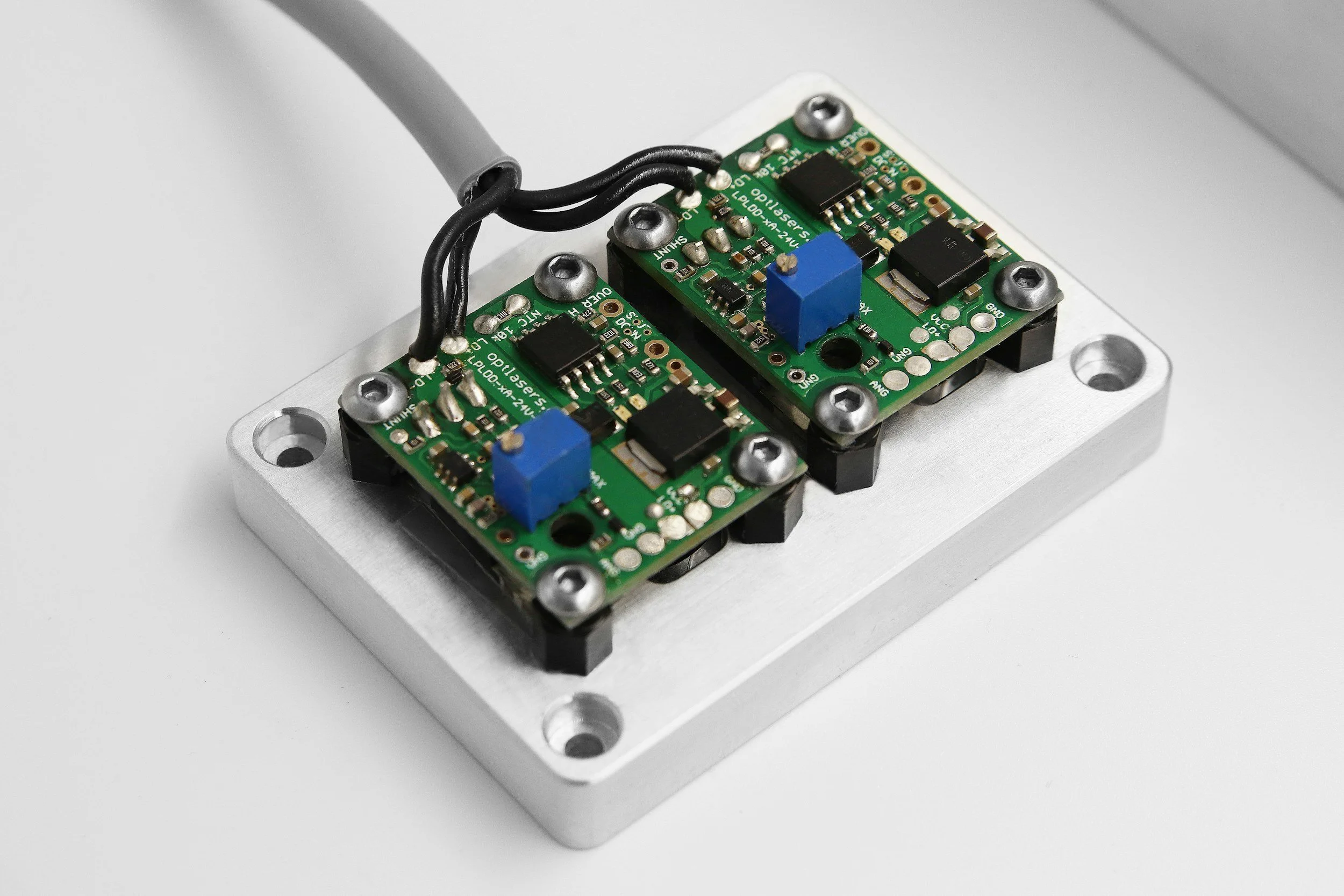
Sensors — Power & Energy
Measure What Your Building Actually Consumes.
Accurate energy monitoring starts with the right current sensing technology. The method you choose affects installation complexity, accuracy at low loads, voltage accounting, and whether a licensed electrician is required.
BluSENSE supports multiple electrical energy measurement technologies — here's how to choose the right one for your application.
Talk to an Expert
Power & Energy Sensor Types
Two Technologies. The Right One Depends on Your Installation.
Installation constraints, load range, voltage accuracy requirements, and whether a licensed electrician is available all determine which current sensing technology is right for your project.
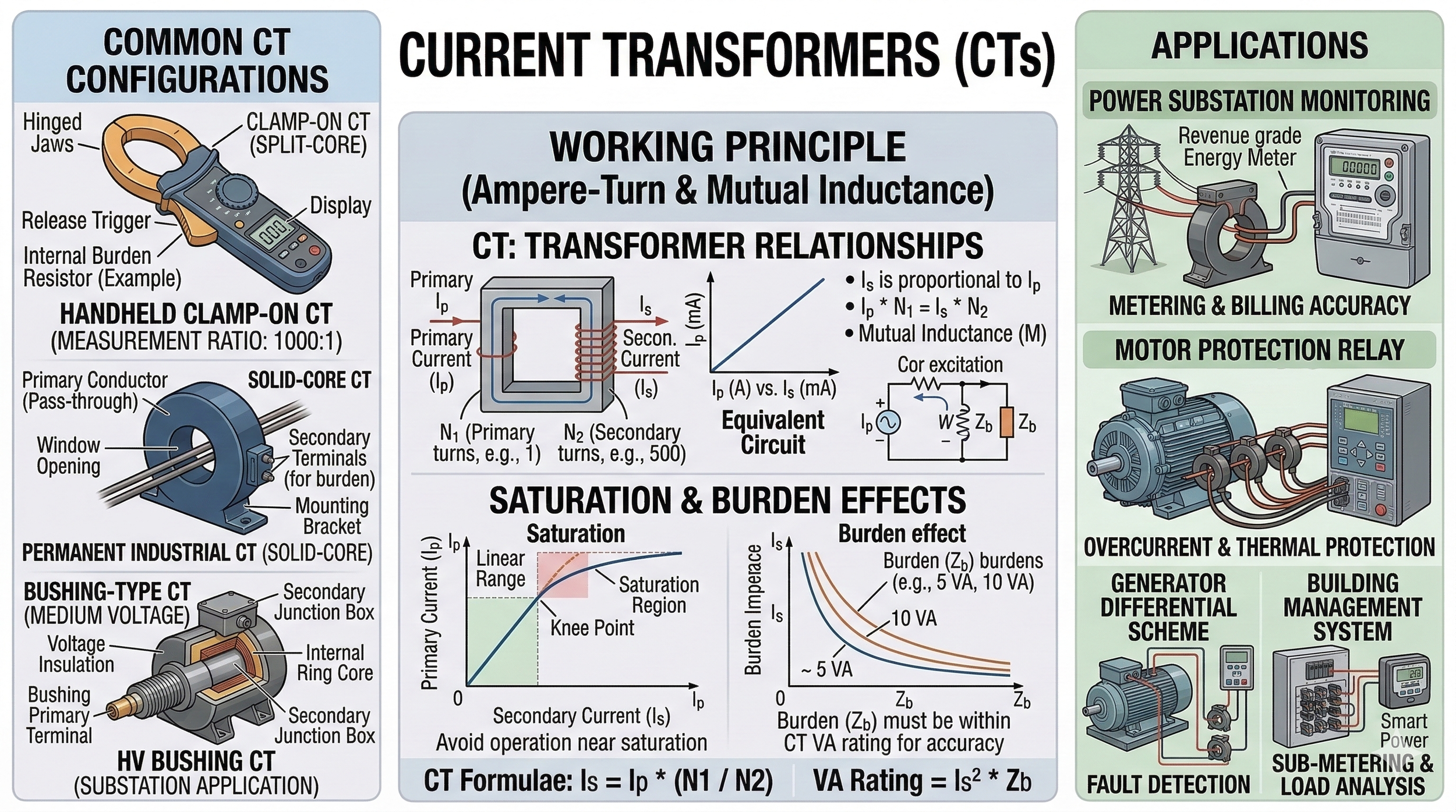
Current Transformers (CTs)
Current transformers are the go-to choice for most energy monitoring applications — and the reason is simple: they clip directly onto the wire you want to measure without opening the electrical wiring. No licensed electrician required, no disruption to the circuit. CTs work by detecting the magnetic field produced by a wire conducting electricity and generating a small voltage proportional to the current flow. Split-core models open like a clam shell and close around the wire, making installation fast and non-invasive. One important consideration: CTs measure current (amperage) only — not voltage. To calculate true power consumption in watts, you either assume the voltage remains constant or measure it separately and factor it into the calculation. Unaccounted voltage fluctuations can meaningfully impact measurement accuracy, so this is worth planning for in your deployment. CTs also don't perform well at very low loads. Output is typically a voltage below 3V or serial communication, compatible with BluNODE and BluCORE.
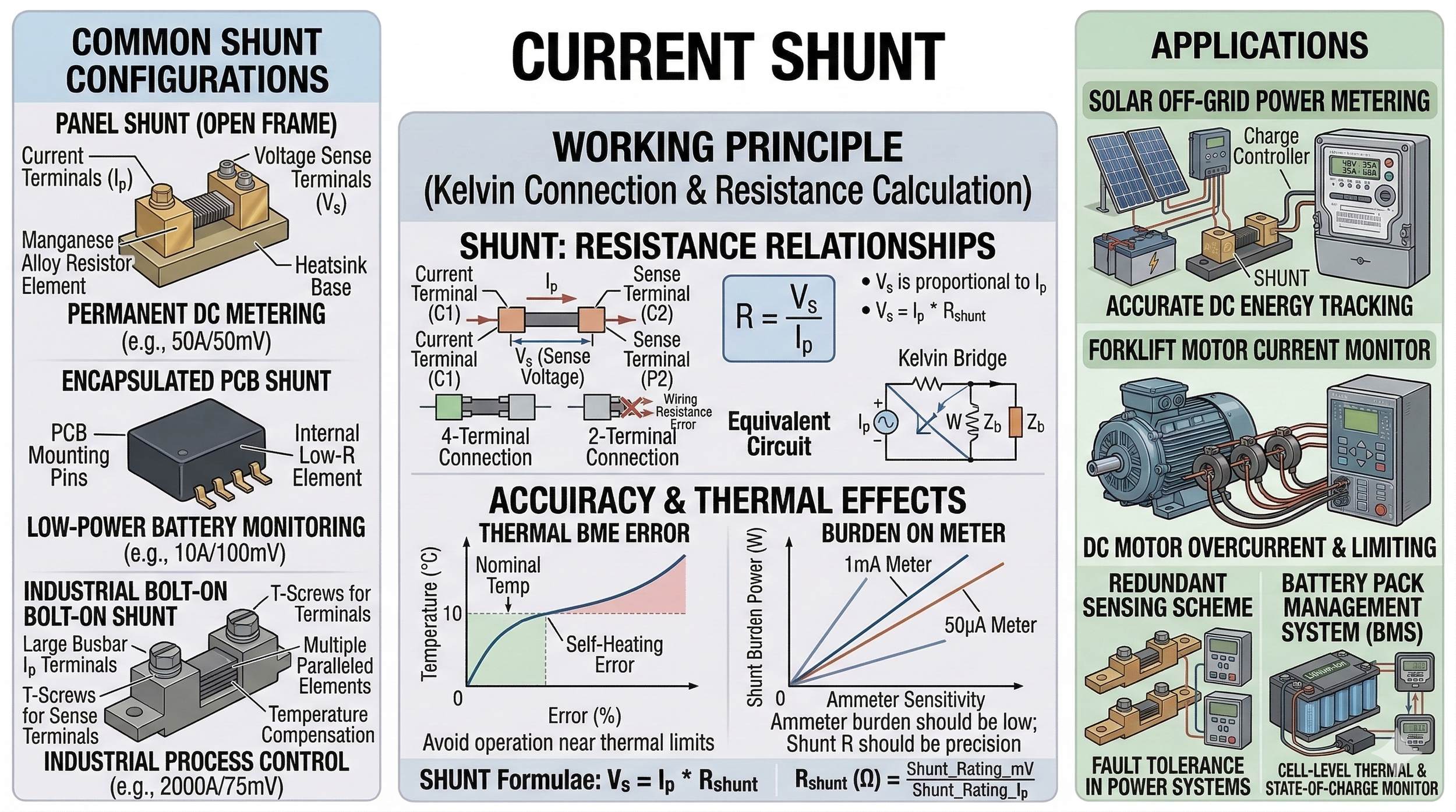
Current Shunts
A current shunt works by placing a precision resistor of known, low resistance in parallel with the circuit being measured. The voltage drop across the resistor is directly proportional to the current flow — allowing high current values to be measured accurately and cost-effectively. Shunts are considered accurate and cost-effective compared to alternatives like Hall effect sensors and current transformers. They do have thermal limitations that affect performance at high loads, and shunt ratings specify both maximum current and voltage drop. Unlike CTs, installing a current shunt requires opening the electrical wiring — a licensed electrician is required. Output is typically two voltages, one representing the current.
Power & Energy Sensor Selection
Not Sure Which Energy Sensor Is Right for Your Application?
Our support plans include expert guidance to match the right sensor to your specific system — covering load range, installation constraints, accuracy requirements, and BluSENSE compatibility.
The right current sensing technology ensures your energy data is accurate from day one.